Desire is not pleasure: PT-141 effects
“It worked” is an incomplete sentence until the outcome has a name.
Wanting and enjoying don’t travel as a pair
The main trials measured desire and distress about low desire. The brain-scan experiment found increased reported desire and altered processing of erotic stimuli. Both speak to desire. Neither makes every account of improved pleasure a clinical finding.
I mistrust the verb “works” when it floats free of its object. A drug can affect one part of a sexual response without establishing an effect on another. The research history is unusually helpful on that point: female rats showed more solicitation without more general movement or a changed reflexive mating response.
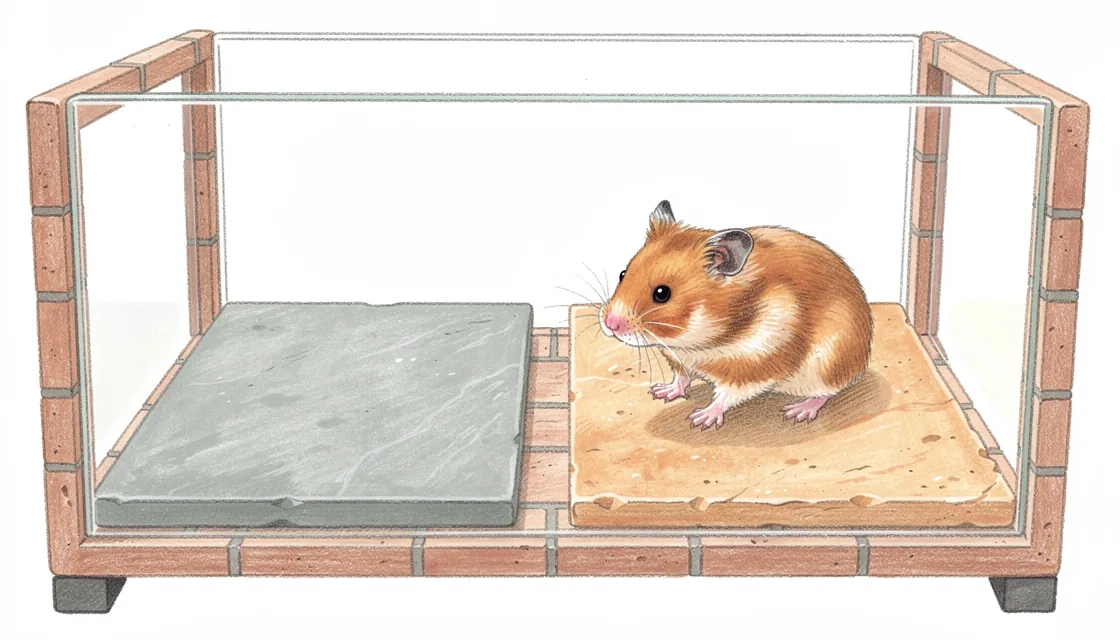
Then female Syrian hamsters failed to show increased sexual reward in a place-preference test. This is an animal-only negative result. It does not mean women cannot report more pleasure; it means a plausible story about motivation did not automatically produce the reward result in that model.
Arousal and orgasm have a thinner file
A 2025 conference abstract reported positive arousal and orgasm effects in premenopausal women. That is relevant evidence for a different outcome, and an abstract provides less inspectable detail than a full paper. I would welcome the full account before treating this as the finished answer.
The distinction also matters for men. Early male PT-141 studies measured erectile activity, while the FDA-approved indication is acquired, generalized HSDD in premenopausal women. Male use and erectile dysfunction remain off-label and investigational in the evidence discussed here. A mechanistic difference from blood-flow medicines does not establish that PT-141 is a better erection treatment.
The public accounts are untidier still
Community posts describe stronger mental interest in sex, greater sensitivity to touch, easier or more intense orgasm, and spontaneous erections in men. Some writers describe feeling closer to a partner. Others describe no benefit despite unwanted effects.
These are anecdotal accounts, not clinical evidence. They come from public discussions and reviews, without a defined study population or controlled comparison. I grant the reports of no change the same status as enthusiastic accounts: useful questions; neither group supplies a reliable success rate.
The less flattering accounts mention nausea or vomiting, flushing, headache, soreness, tingling, and tiredness. Some associate repeated use with darker skin, gums, freckles, or moles that did not fully fade. Reports about a slow start and a long window of effect also vary. There is no dose or timing rule to extract from this collection.
An account can be sincere and still leave the cause unresolved. In particular, emotional closeness and the desire score measured in RECONNECT are different outcomes. That appealing claim needs evidence of its own.
The less glamorous effects belong here too
Nausea, flushing, and headache were prominent in the long-term study. The label also warns about transient blood-pressure increases and focal hyperpigmentation, or darkening in particular areas. A reputation assembled only from hoped-for effects leaves out much of the drug’s observed activity.
Phase 1 research in women with obesity found effects on weight and calorie intake, consistent with MC4R’s role in appetite. Weight-loss use remains outside the approval; this was a research protocol. I see it as another reason to reject the image of a molecule with one tidy task.
For the practical risk record, the side-effects page gives the study rates and label warnings. For who was actually included, the women’s page returns to the diagnosis.